विवरण
हामी हाम्रो साथ सहयोग गर्न संसारभरका ग्राहकहरूलाई स्वागत गर्दछौं।
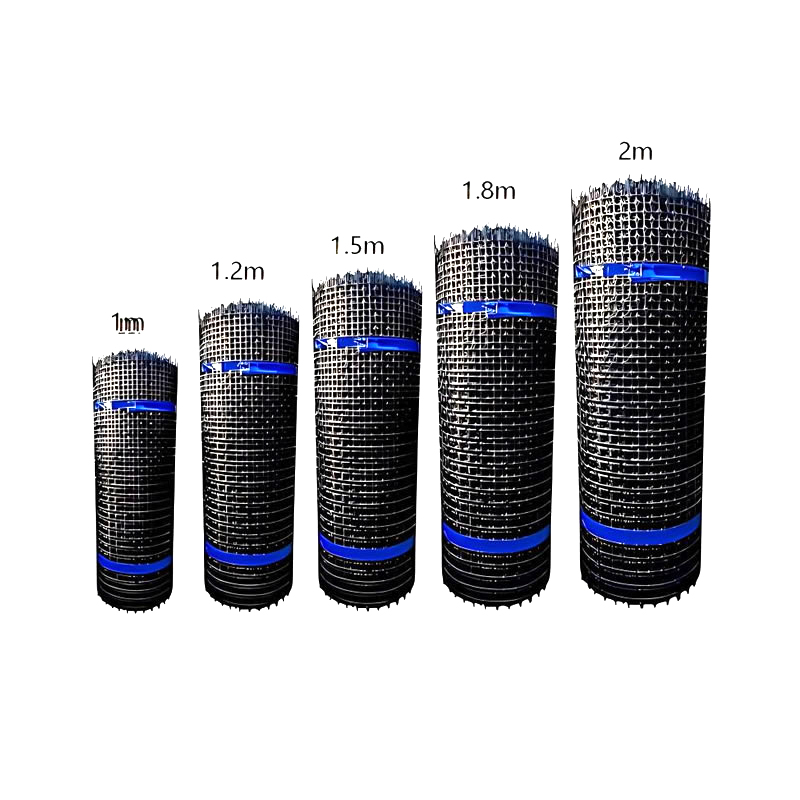
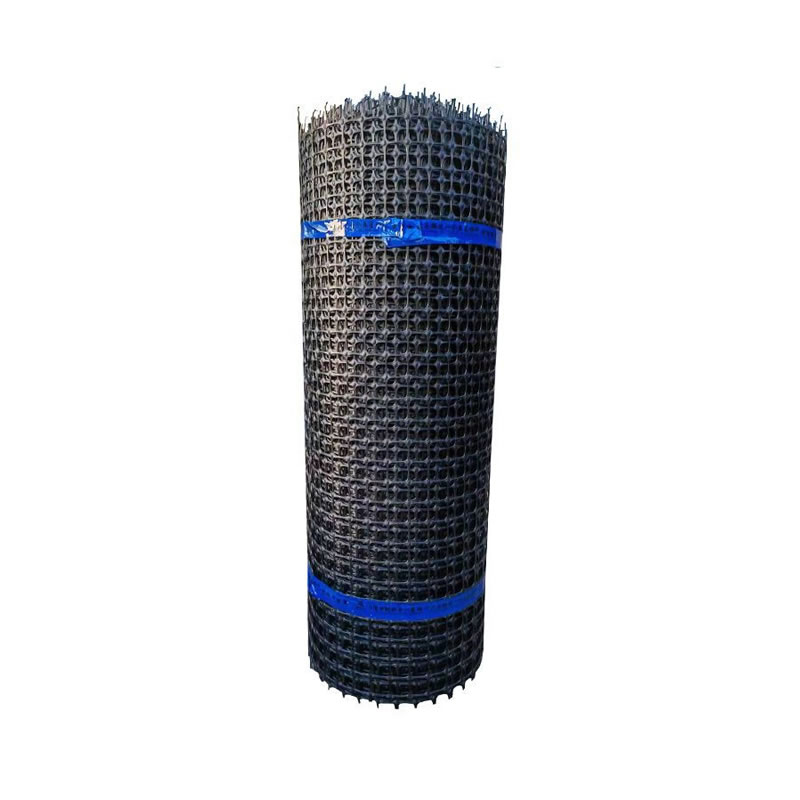
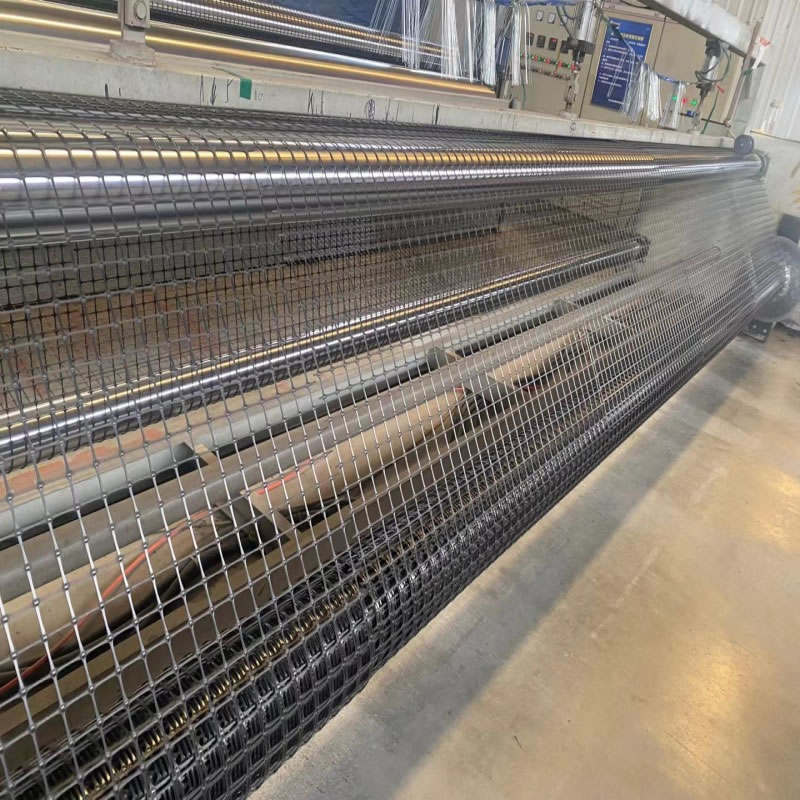
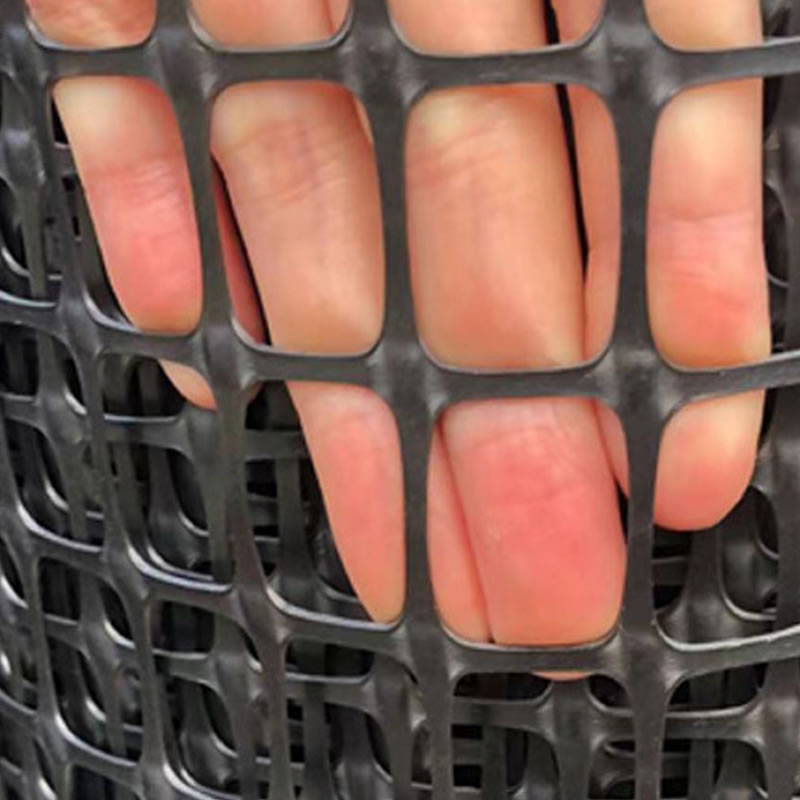
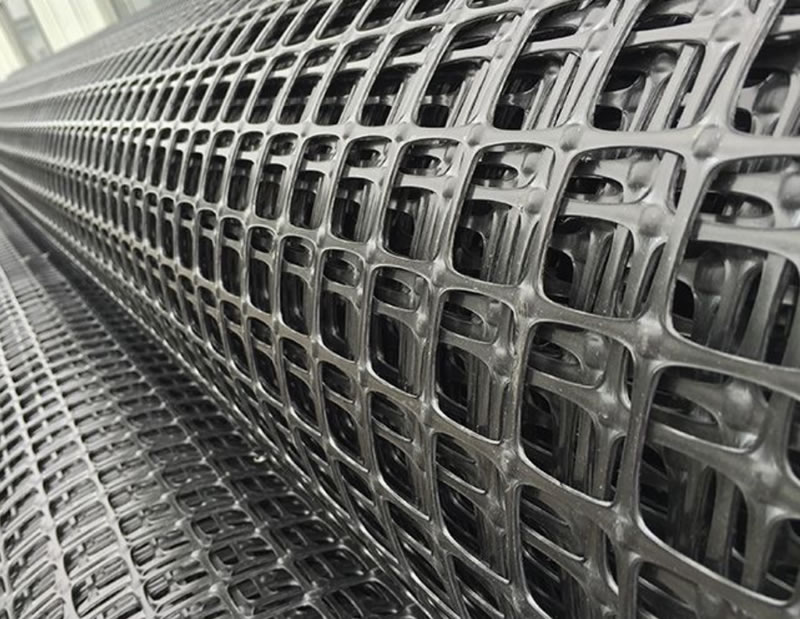
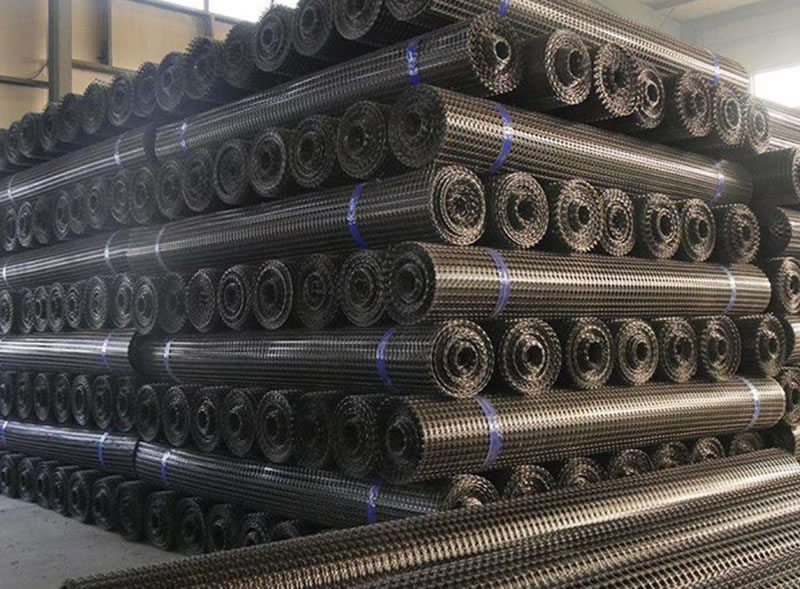
प्लास्टिक जियोग्रिड्स: पोलीप्रोपाइलीन (PP) वा पोलिथिलीन (PE) को कच्चा पदार्थको रूपमा एक्सट्रुसन, पंचिंग, र स्ट्रेचिङ प्रक्रियाहरू मार्फत निर्मित; तिनीहरू दुई प्रकारमा वर्गीकृत छन्: uniaxial र biaxial।
Uniaxial Geogrids: अनुदैर्ध्य दिशामा फैलिएको, अनुदैर्ध्य अक्षमा अत्यधिक उच्च तन्य शक्ति र मोड्युलस प्रदर्शन गर्दै; रोडबेड सुदृढीकरणको लागि उपयुक्त।
द्विअक्षीय जियोग्रिड्स: दुबै अनुदैर्ध्य र अनुप्रस्थ दिशाहरूमा फैलिएको, दुबै अक्षहरूमा उच्च तन्य शक्ति भएको; ठूलो-क्षेत्र फाउन्डेशन सुदृढीकरणको लागि उपयुक्त।
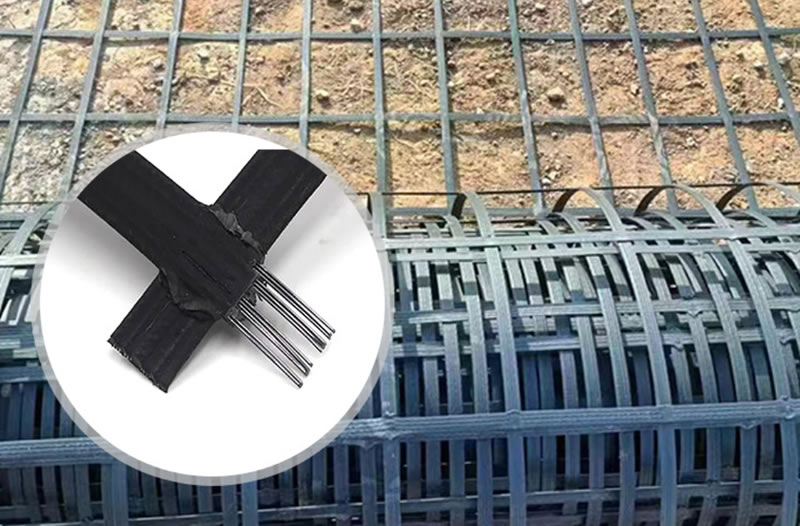
स्टील-प्लास्टिक जियोग्रिड्स: अल्ट्रासोनिक वेल्डिंग मार्फत निर्मित उच्च-शक्तिको स्टील तारहरू र पोलिथिलीन वा पोलीप्रोपाइलिनको कम्पोजिटहरू। तिनीहरूले उच्च जंक्शन शक्ति (पृथकीकरणको प्रतिरोध), एसिड र क्षार जंगको लागि उत्कृष्ट प्रतिरोध, र स्थायी इन्जिनियरिङ संरचनाहरूको लागि उपयुक्त छन्।
फाइबरग्लास जियोग्रिड्स: परिमार्जित डामरको साथ लेपित फाइबरग्लास सामग्रीहरूबाट बनेको। तिनीहरू उच्च तन्य शक्ति, कम लम्बाइ (
पोलिएस्टर वार्प-निटेड जियोग्रिड्स: उच्च-शक्तिको पोलिएस्टर फाइबरहरू प्रयोग गरेर ताना-बुनाईएको, उन्मुख संरचना। तिनीहरूले अनुदैर्ध्य र ट्रान्सभर्स शक्तिहरू बीचको न्यूनतम भिन्नता देखाउँछन्, UV बुढ्यौलीको लागि बलियो प्रतिरोध गर्दछ, र माटो वा कुचिएको ढु stone्गाको समुच्चयसँग उत्कृष्ट इन्टरलकिङ क्षमताहरू प्रदान गर्दछ।
ईन्जिनियरिङ् अनुप्रयोग र निर्माण विधिहरू
प्राथमिक आवेदन परिदृश्यहरू:
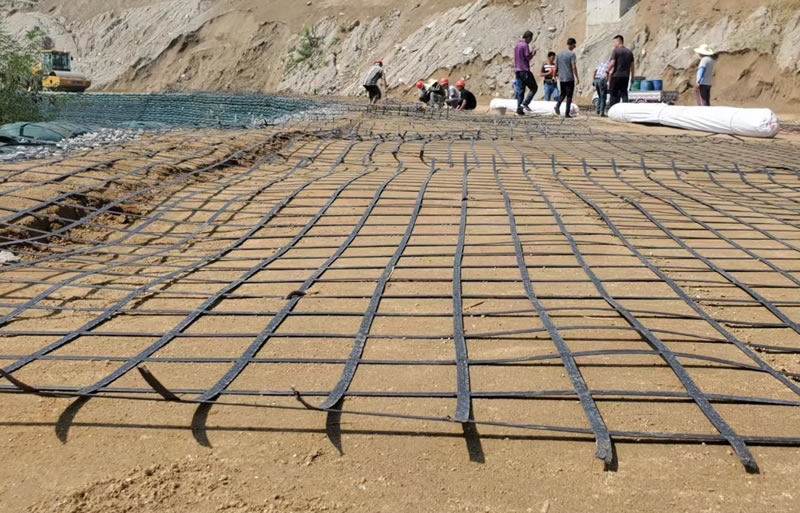
रोडबेड र फाउन्डेशन सुदृढीकरण: राजमार्ग, रेलवे, र एयरपोर्ट रनवेहरूमा नरम माटोको आधारहरू बलियो बनाउन प्रयोग गरिन्छ। यो अनुप्रयोगले असर क्षमता बढाउँछ, कुशन तहको आवश्यक मोटाई घटाउँछ, र जमिन घटाउन रोक्छ।
ढलान र पर्खाल संरक्षण: ढलान स्थिरीकरण र उच्च-ग्रेड रिटेनिंग पर्खालहरूको सुदृढीकरणको लागि उपयुक्त। तिनीहरूले माटोको पार्श्व विस्थापनलाई प्रभावकारी रूपमा रोक्छन्, संरचनात्मक स्थिरता बढाउँछन्, र माटोको क्षरणलाई रोक्छन्। विशेष ईन्जिनियरिङ् अनुप्रयोगहरू: गहिरो-समुद्रको सञ्चालन र तटबन्ध सुदृढीकरणको लागि डिजाइन गरिएको, कम शक्ति र छोटो सेवा जीवनका समस्याहरूलाई सम्बोधन गर्दै प्रायः समुद्री पानीको क्षरणको शिकार ग्याबियनहरूले सामना गर्ने; खानी र सुरुङको सुदृढीकरणका साथै कल्भर्टको संरचनात्मक सुदृढीकरणका लागि पनि प्रयोग गरिन्छ।
स्थापना र नियुक्तिको लागि प्रमुख दिशानिर्देशहरू:
प्लेसमेन्ट स्थान: सामान्यतया फाउन्डेसन बेडको उत्खनन पछि बालुवा कुशन तहमा स्थापित हुन्छ; अनुदैर्ध्य अक्ष अपेक्षित संरचनात्मक तनावको प्राथमिक दिशासँग पङ्क्तिबद्ध हुनुपर्छ।
ओभरल्यापिङ र एङ्करिङ: लामो समयसम्म ओभरल्यापहरू 15-20 सेमी मापन गर्नुपर्छ, जबकि पार्श्व ओभरल्यापहरू 10 सेमी मापन गर्नुपर्छ; ओभरल्याप जोइन्टहरू प्लास्टिक टाईहरू प्रयोग गरेर सुरक्षित गर्नुपर्दछ। सामग्रीलाई १.५-२ मिटरको अन्तरालमा U-आकारको पिन प्रयोग गरेर जमिनमा लङ्गर गर्नुपर्छ।
भरिने र कम्प्याक्शन: भरिने सामग्रीहरू आदर्श रूपमा बजरी वा बलौटे माटोको हुनुपर्छ, अधिकतम कण आकार 15 सेन्टिमिटर भन्दा बढी हुनु हुँदैन। कम्प्याक्सन बाहिरी किनाराहरूबाट सुरु गरी केन्द्र तर्फ सर्दै अनुक्रममा अगाडि बढ्नु पर्छ; रोलर ड्रम सुदृढीकरण ग्रिडसँग प्रत्यक्ष सम्पर्कमा आउनु हुँदैन।
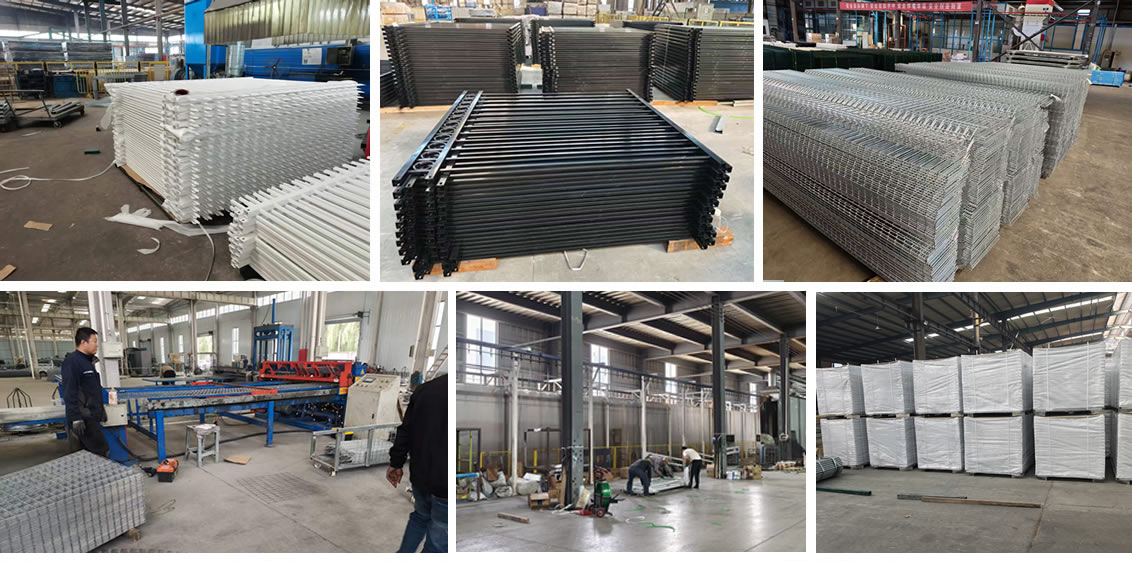
कारखाना भ्रमण
हामीलाई सम्पर्क गर्नुहोस्
Anping अद्भुत धातु उत्पादन कं, लिमिटेड
ठेगाना:Anping काउन्टी, Hengshui शहर, Hebei प्रान्त
फोन:0086-13292272059
व्हाट्सएप: 0086- 13292272059
इमेल: qing@wonderfulfence.com